
SSL certificate validity cut to 200 days: what to do
Since 15 March 2026 a new public SSL certificate can last 200 days at most, falling to 47 days in 2029. Renewing by hand once a year no longer works.
Published · 3 min read
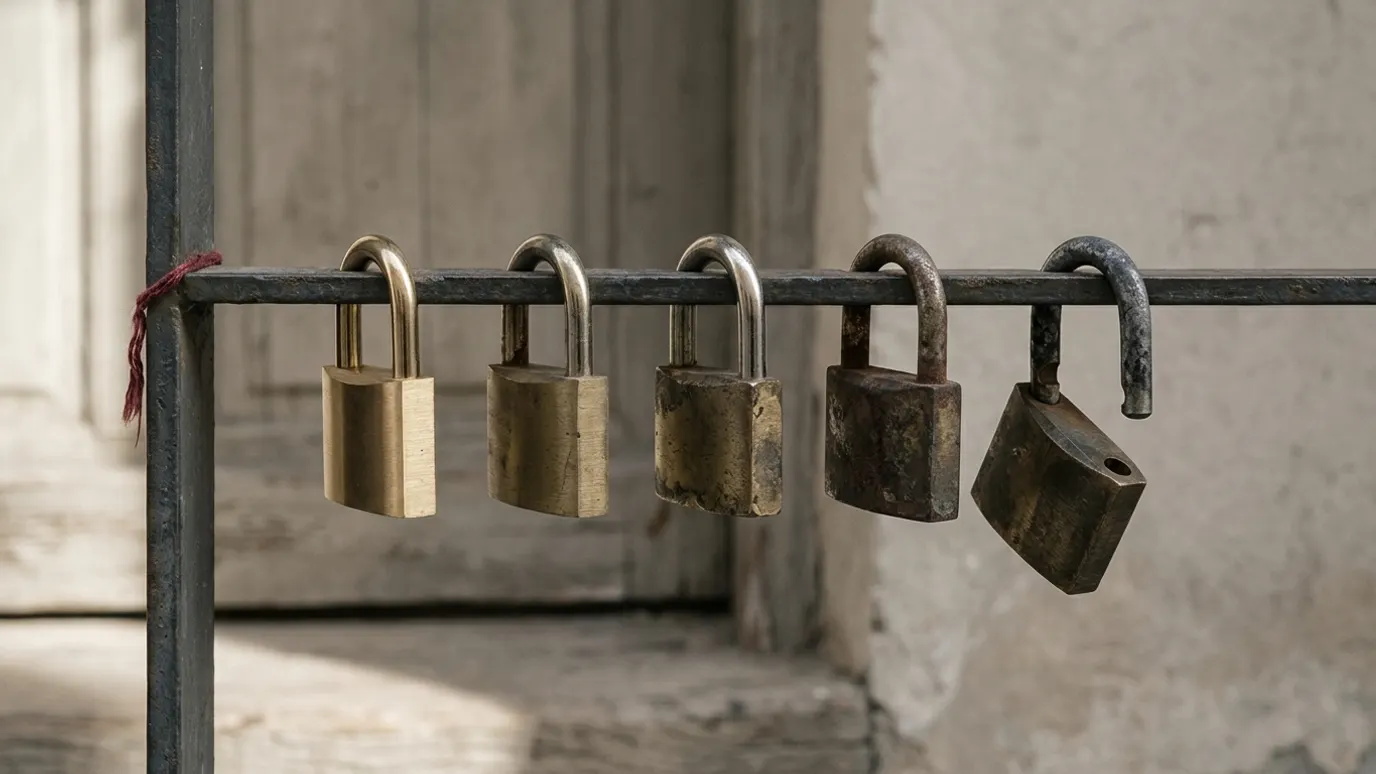
On 15 March 2026, the longest a newly issued public TLS certificate may last fell from 398 days to 200. That is the "SSL certificate" that lets a browser trust a website, and the cut is the first of three agreed by the CA/Browser Forum, where certificate authorities and browser makers set the rules: to 100 days from 15 March 2027, and to 47 days from 15 March 2029. A certificate bought "for a year" now has to be replaced at least every 200 days, about twice a year, and from 2029 about eight times. For an office whose renewals depend on someone remembering, the chances to forget have doubled, and they will keep rising.
The rule comes from Ballot SC081v3, proposed by Apple and endorsed by Sectigo, Google Chrome and Mozilla, which passed in April 2025 with 25 certificate authorities in favour, none against and five abstaining, and four votes in favour and none against on the browser side. It also shortens how long an authority may rely on its earlier check that you control a domain: 200 days from 15 March 2026, down from 398, and 10 days from 2029, so that check will have to be repeated for nearly every renewal. The schedule is set out by DigiCert and in the Forum's own Baseline Requirements.
Why an expired certificate is an outage
An expired certificate does not break the system behind it. It breaks every way in: browsers show a full-page warning instead of the site, and apps, integrations and payment notifications that connect to the address simply fail. Once a year, renewal could live in someone's calendar. Twice a year, and about eight times from 2029, it cannot: DigiCert, a certificate authority, says handling the 2029 revalidation by hand would be "a recipe for failure and outages". And the free certificate authority run by the non-profit Internet Security Research Group stopped sending expiry reminder emails on 4 June 2025, saying more and more of its subscribers had reliable automation in place.
What it means for the systems I build
A staff portal, a payment page or an app a field team opens on a phone sits behind a certificate like any website. If one expired, people would see a warning instead of the portal and the app would stop loading, however well everything else worked. The systems I build run in the client's own accounts and on their own hosting, so the certificates are the client's too. For each one I would want renewal that runs on its own, a separate check that warns a named person weeks before expiry, and one list of every certificate the organisation holds.
Five checks before your next renewal
- List every public certificate you hold: the website, each portal, the mail server, the VPN, anything with its own address. Note who renews each one and when it expires.
- Automate renewal. If your host or certificate supplier cannot renew without a person, that is now a reason to change.
- Monitor expiry separately from renewal, so a failed renewal reaches a named person weeks ahead. Do not count on reminder emails: the free authority above stopped sending them in June 2025.
- Test the connections that are not browsers: a phone app, a payment provider's notifications, an integration. They fail without a warning page, so they need their own check.
- Ask any supplier who hosts something under your name how its certificate renews, and who is told when it does not.
If renewals in your office still depend on a calendar reminder, that is worth raising on the fit check.
Sources
- CA/Browser Forum, Ballot SC081v3: Introduce Schedule of Reducing Validity and Data Reuse Periods
- CA/Browser Forum, Baseline Requirements for the Issuance and Management of Publicly-Trusted TLS Server Certificates, 4 October 2026
- DigiCert, TLS Certificate Lifetimes Will Officially Reduce to 47 Days, 16 May 2025
- Let's Encrypt, Ending Support for Expiration Notification Emails, 22 January 2025
- Let's Encrypt, About Let's Encrypt
- Let's Encrypt, Expiration Notification Service Has Ended, 26 June 2025
Enrique Lacambra III builds internal business systems from Cainta, Rizal.
Tell me what is broken and I will tell you if it is worth building. A 20-minute call, no charge, and I will say so if you do not need me.